

Natural Hair Brush Shipping Restrictions: Navigating International Trade Rules
Natural Hair Brush Shipping Restrictions: Navigating International Trade Rules
As global demand for premium natural hair brushes—such as shaving brushes crafted from badger, boar, or squirrel hair—continues to rise, manufacturers and exporters face a labyrinth of international shipping restrictions. These rules, shaped by animal welfare laws, environmental regulations, and trade agreements, can derail shipments, delay deliveries, and incur unexpected costs. Navigating this complex landscape requires a deep understanding of country-specific requirements and proactive compliance strategies.
The Root of Restrictions: Animal Welfare and Conservation
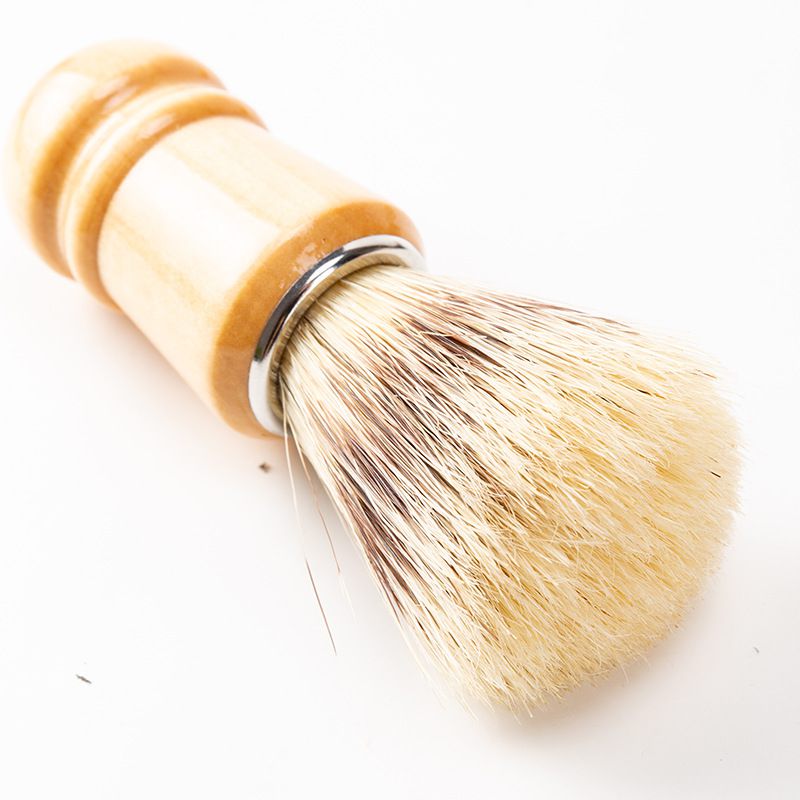
A primary driver of shipping limits is the protection of animal species. Many natural brush hairs, including badger and certain squirrel varieties, fall under the purview of the Convention on International Trade in Endangered Species of Wild Fauna and Flora (CITES). CITES classifies species into appendices based on conservation status; for example, some badger subspecies are listed in Appendix III, requiring export permits from the country of origin and import permits from the destination. Without these documents, shipments risk seizure by customs authorities.
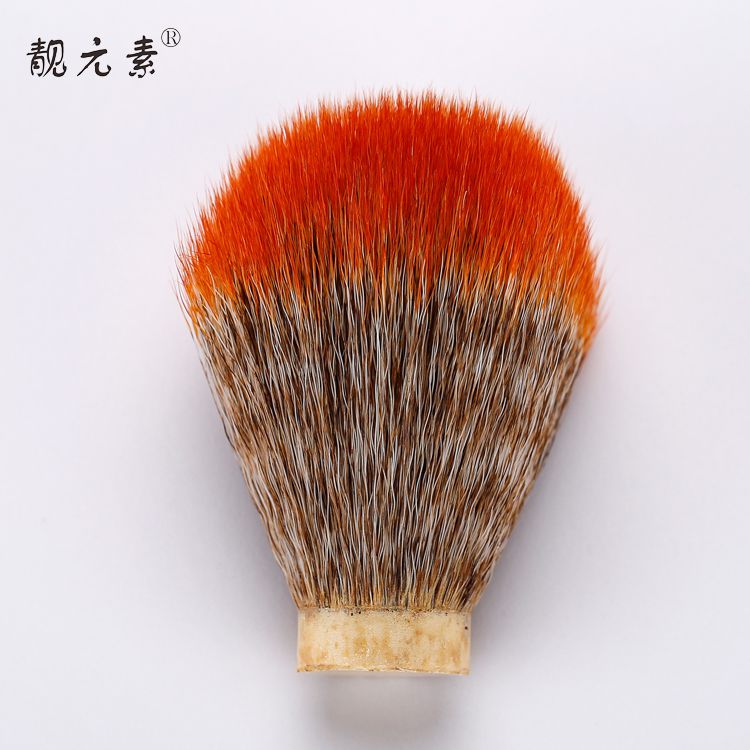
Beyond CITES, individual countries enforce stricter animal welfare laws. The European Union (EU), for instance, bans imports of hair from animals subjected to inhumane farming practices, as outlined in Regulation (EC) No. 1099/2009. Exporters must prove that hair sources meet EU standards for animal treatment, often requiring third-party audits or certifications.
Material-Specific and Environmental Regulations
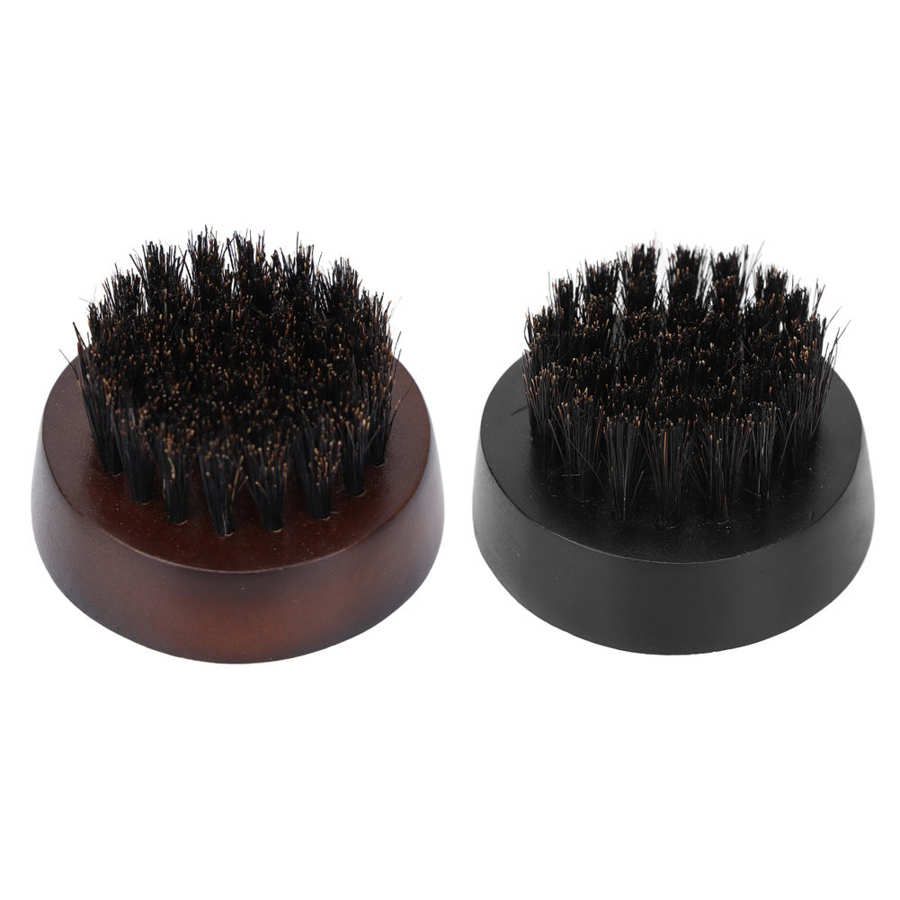
Natural hair brushes also face scrutiny over material safety and environmental impact. The EU’s REACH (Registration, Evaluation, Authorization, and Restriction of Chemicals) regulation restricts substances like formaldehyde, a preservative sometimes used in brush production. Even trace amounts can lead to shipment rejection. Similarly, the U.S. Food and Drug Administration (FDA) classifies shaving brushes as cosmetic tools, mandating clear labeling of hair type and origin to avoid misrepresentation.
Sustainability has emerged as another key barrier. Countries like Canada and Japan now require eco-friendly packaging for imported goods, including biodegradable materials or minimal plastic use. Brushes shipped with non-compliant packaging may be held at ports until repackaged, increasing transit times and costs.
Documentation: The Backbone of Smooth Shipping
Inconsistent or incomplete documentation is a common pitfall. Exporters must prepare:
- CITES permits (if applicable), detailing species, origin, and legal harvesting;
- Health certificates, verifying hair is free from pathogens (critical for animal-derived products);
- Material safety data sheets (MSDS), outlining chemical treatments or preservatives;
- Origin certificates, proving compliance with trade agreements (e.g., USMCA for North America).
Missing even one document can lead to customs delays. For example, a 2023 report by the International Air Transport Association (IATA) found that 30% of natural brush shipments to the EU were delayed due to incomplete CITES paperwork.
Strategies for Compliance
To navigate these restrictions, exporters should adopt a proactive approach:
1. Audit Supply Chains: Verify hair sources are CITES-compliant and meet animal welfare standards. Partner with suppliers who provide traceable documentation.
2. Leverage Trade Agreements: Utilize free trade agreements (e.g., ASEAN-EU Free Trade Agreement) to reduce tariffs and streamline customs processes.
3. Invest in Documentation Software: Tools like Descartes or BluJay Solutions can automate permit applications and track regulatory changes in target markets.
4. Collaborate with Specialized Logistics Partners: Freight forwarders with expertise in natural hair products can anticipate country-specific hurdles and expedite clearance.
Conclusion
Natural hair brush shipping restrictions are not insurmountable but demand vigilance. By prioritizing compliance, investing in documentation, and staying updated on regulatory shifts, manufacturers can turn these challenges into opportunities—ensuring timely deliveries, building trust with global buyers, and sustaining growth in the competitive international market.


